Botanical Wallpaper Is Everywhere in 2026 Here's How to Use It Well
Wallpaper isn't a decorating afterthought anymore—it's the foundation designers build a room around.
In 2026, walls are shaping the mood of entire interiors, but not every viral trend is worth the investment. This guide cuts through the usual trend roundups to highlight the wallpaper styles designers are actually specifying and that are genuinely worth committing to this year.

Image Credit: Studio Goya, Bengaluru
As homes increasingly become places to work, recharge, and gather, botanical wallpapers offer something paint often cannot: texture, narrative, and a sense of permanence. Rather than acting as a decorative backdrop, these wallpapers become part of the architecture of a room, adding layers of visual interest without overwhelming the space. It's less about following a trend and more about creating interiors that feel collected, calm, and enduring.
So what exactly does botanical wallpaper look like in 2026? The answer is surprisingly diverse. Designers are moving beyond literal florals into landscapes, illustrated forests, abstract foliage, oversized blooms, and hand-painted natural forms that feel closer to art than decoration.
Why Botanical Wallpaper Works in 2026?
Today's botanical wallpapers have moved beyond loud tropical prints to embrace hand-illustrated artistry, earthy color palettes, and immersive murals that shape a room's character. Rooted in biophilic design and craftsmanship, they offer more than decoration, they interpret nature, creating interiors that feel timeless rather than trend-driven.
-Start With Scale, Not Color


Image Credit: Attirail, Mumbai
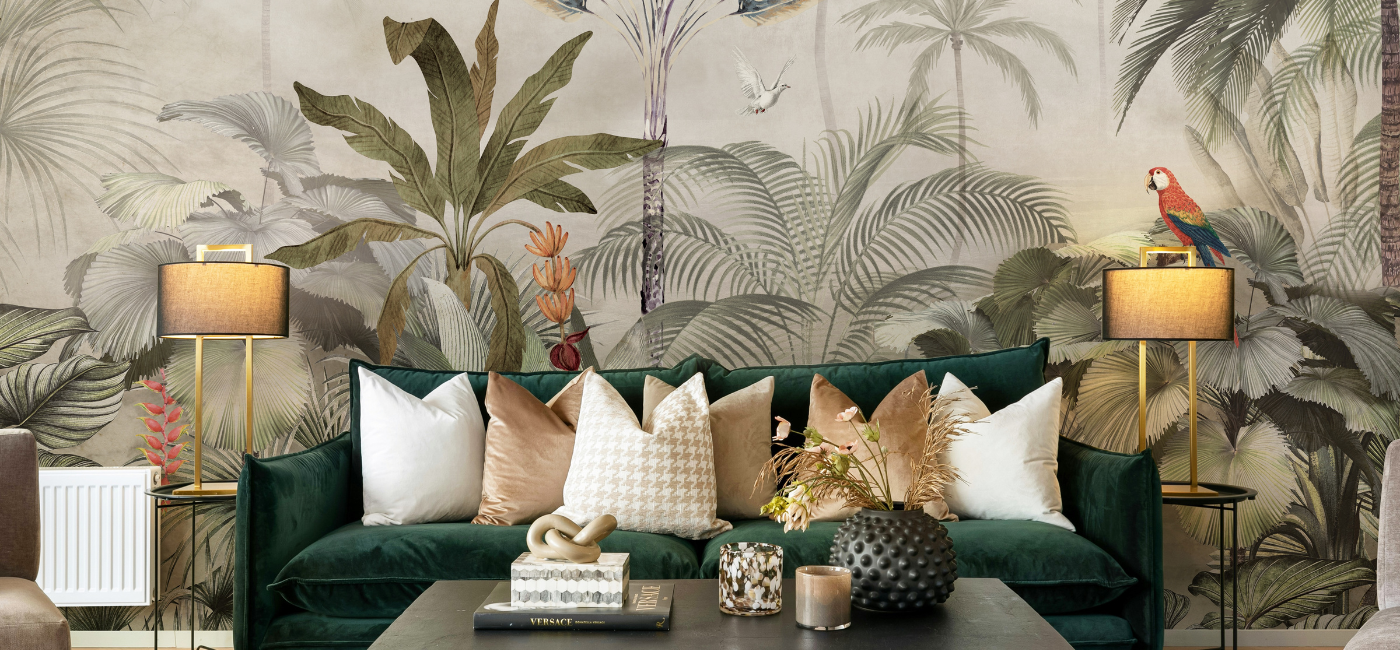
The most important rule when choosing botanical wallpaper isn't color, it's the scale. In larger rooms, oversized trees, panoramic murals, and sprawling floral compositions create impact without overwhelming the space. Smaller rooms, on the other hand, don't always need tiny prints. In fact, they can handle bold botanical wallpapers surprisingly well, provided the design feels open and airy. Look for compositions with generous negative space, delicate branches, or climbing vines that add visual interest while keeping the room feeling light and spacious.
-Treat Wallpaper Like Architecture

Image credit: Studio Gulab, Lucknow
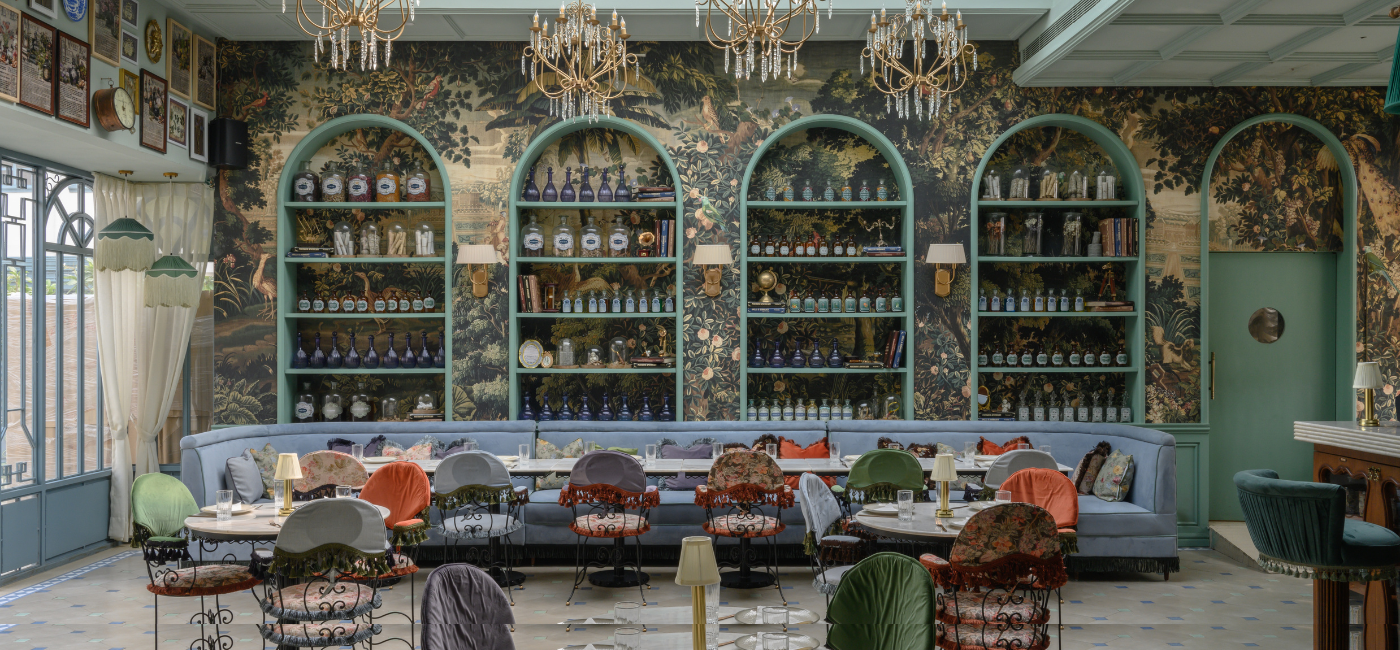
Rather than thinking of wallpaper as something that simply covers a wall, consider how it can define and celebrate the architecture of a space. A botanical mural can frame a reading nook, create a striking backdrop behind a bed, add drama to a staircase, or bring depth to a dining alcove and hallway. Even the ceiling can become a fifth wall, drawing the eye upward and transforming the room's proportions. When used this way, wallpaper does more than decorate—it shapes how a space is experienced, highlighting its best features and creating a stronger sense of place.
Designer Tip: Always view wallpaper samples at different times of day. Natural and artificial light can dramatically change the mood of botanical designs.
-Let the Wallpaper Lead the Palette

The easiest way to create a cohesive botanical interior is to let the wallpaper guide the room's material palette. Rather than matching every furnishing to the obvious green tones, draw inspiration from the artwork's quieter colors—soft ochres, earthy browns, muted blues, or warm neutrals. Pair these hues with natural materials like oak, walnut, cane, linen, lime plaster, travertine, brass, and handmade ceramics to add warmth and texture. These tactile finishes echo the organic quality of the wallpaper, preventing the space from feeling overly themed or artificial while creating an interior that feels balanced, layered, and effortlessly timeless.

-Mix Botanical Wallpaper With Contemporary Furniture
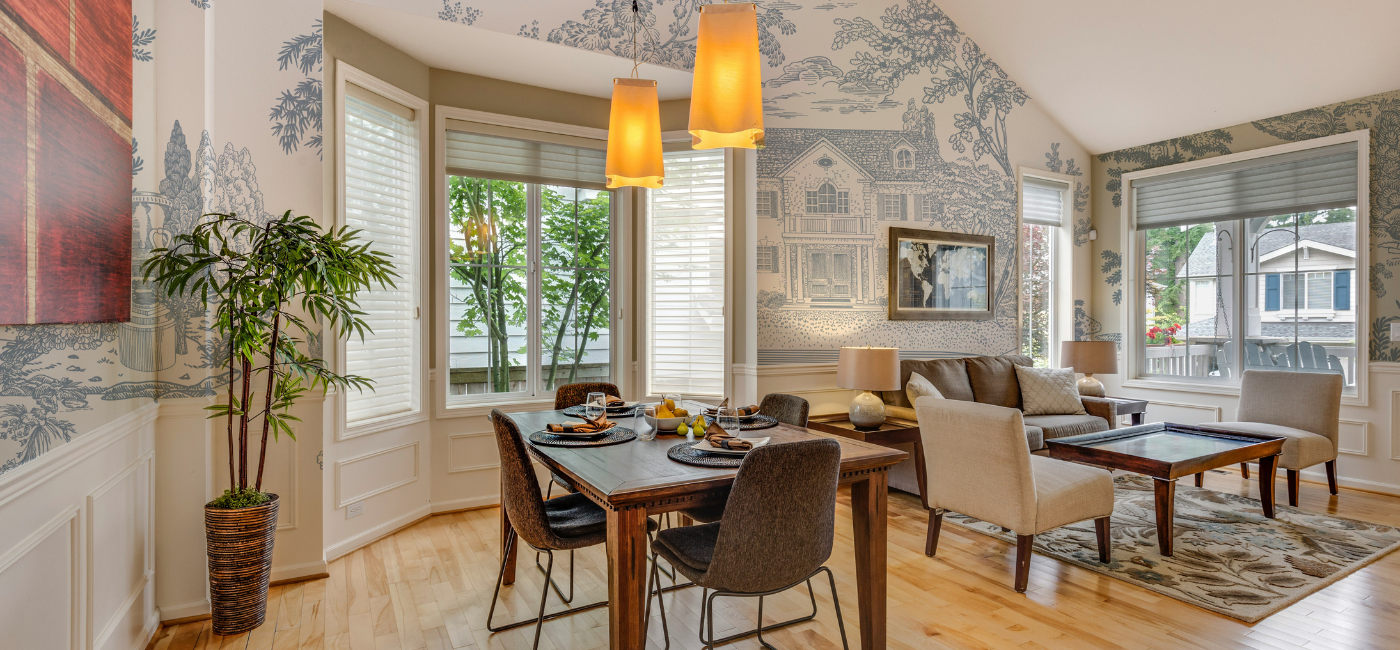
One of the biggest misconceptions is that botanical wallpaper needs to be paired with traditional or vintage furniture. In reality, contemporary interiors often create the most compelling contrast. Clean-lined sofas, sculptural lighting, minimal dining chairs, and modern artwork allow the intricate patterns of the wallpaper to take centre stage without competing for attention.
The balance between organic, expressive walls and simple, contemporary furnishings creates a space that feels fresh,sophisticated, and distinctly current.
Design Rule: If the wallpaper tells a rich visual story, keep furniture silhouettes simple.
-Know Which Botanical Style Fits Your Home

Image credit: Bodhi Design Studio, Bengaluru
Not all botanical wallpapers create the same atmosphere, so choosing the right style for the right space is key.

Shop this: Midnight Jungle
| Botanical Murals |
Best for: Living rooms & Dining rooms

Shop this: Flower Power
| Delicate Wildflowers | Best for: Bedrooms

Shop this: Lagoon Garden
| Forest Landscapes |
Perfect for: Studies/Libraries

Shop this: Monsoon Grove
| Tropical Botanicals |
Ideal: Powder room rather than entire house

Shop this: Botanical Kraft Tales
| Vintage Botanical Illustrations | Perfect for: Classic interiors
The Lasting Appeal of Botanical Wallpaper
The appeal of botanical wallpaper in 2026 isn't rooted in novelty. It's rooted in the way it transforms a room, from something merely decorated into something deeply atmospheric. When chosen thoughtfully, a botanical wall doesn't just add pattern, it introduces flow, texture, and a quiet connection to the natural world. The goal isn't to recreate a garden indoors, but to design spaces that feel layered, restorative, and lived in.
The most enduring interiors have always balanced beauty with intention, and botanical wallpaper remains one of the few design elements capable of achieving both.